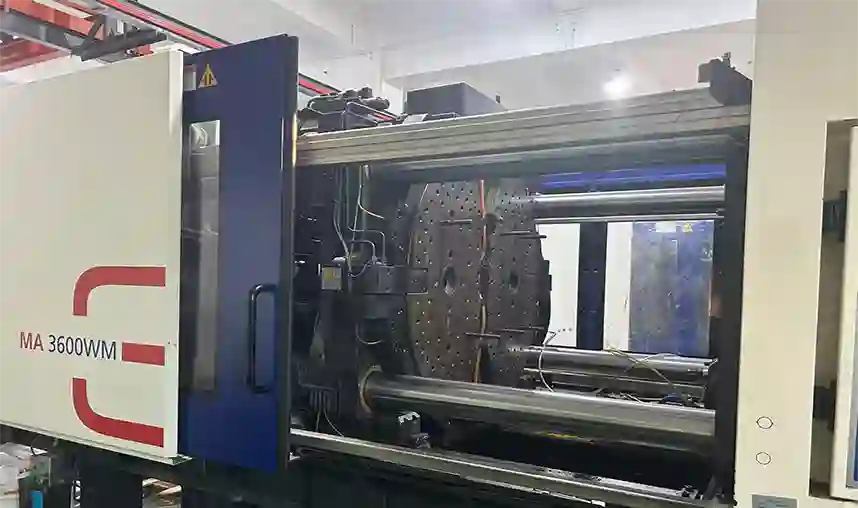
2K Injection Molding | Single-Step Molding of Two Materials to Integrate Aesthetics and Functionality
2K and 3K injection molding is a process in which two or three different materials or colors of plastic are sequentially injected into the same mold through two or three injection molding cycles, resulting in an integrated product.
Compared to traditional split-mold injection molding and secondary assembly methods, 2K and 3K injection molding reduces the need for subsequent assembly steps, improves product consistency and production efficiency, and enables the combination of soft and hard materials, two-color or multi-color appearances, and the integration of localized functional areas, thereby meeting the structural and aesthetic requirements of complex products.Translated with DeepL.com (free version)
Project Overview
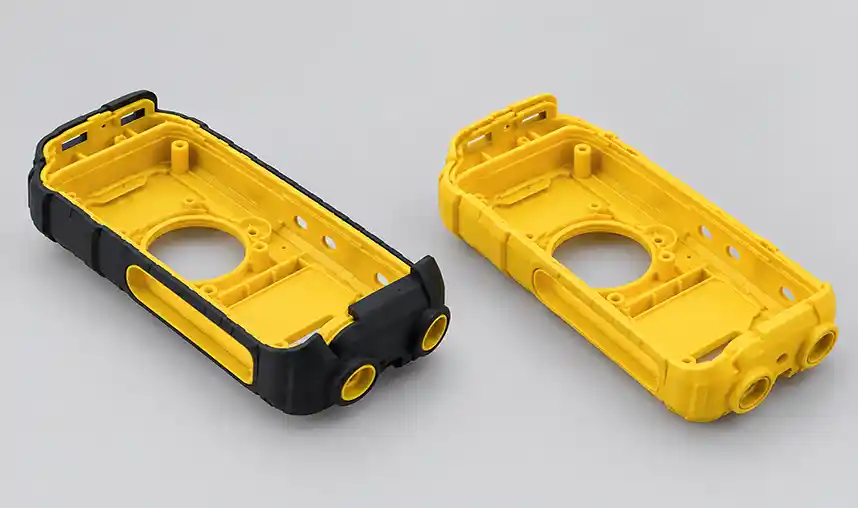
The walkie-talkie casing is manufactured using a 2K injection molding process that combines hard and soft rubber.Through 2K two-color injection molding, the two materials are molded sequentially within the mold, eliminating the need for separate soft rubber overmolding or manual assembly afterward.
✓Injection Molding Process: 2K Injection Molding
✓Material: Rigid ABS + Soft TPE
✓Molding Method: Two-shot injection molding, one-piece molding
✓Rotating core
✓Mold Life: 500,000 cycles
2K Mold Design
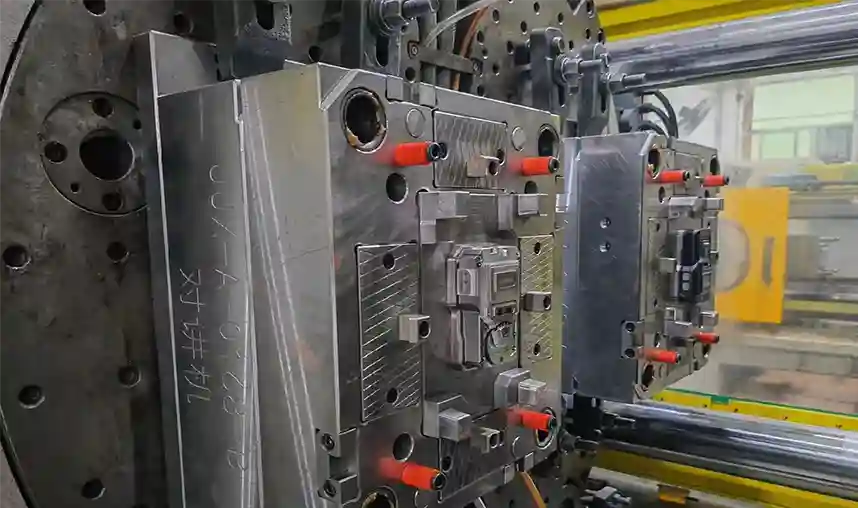
A 2K mold must be divided based on the product’s hard and soft rubber areas, while also taking into account positioning and sealing during the first and second injection cycles, as well as after the product is repositioned.
After the first color is completed, the product must be precisely positioned before proceeding with the second-color TPE soft rubber injection molding. During the mold design process, care must also be taken to prevent the second-color material from entering areas that do not require overmolding.
For walkie-talkie housings with relatively complex structures, it is also necessary to comprehensively consider the coordination between the two-color indexing process and structural elements such as sliders, inclined ejectors, ejectors, venting, and cooling.
Sealing with Hard and Soft Sealants
In 2K two-color injection molding, the sealing structure between the hard and soft resins directly affects flash, flash buildup, the two-color boundary, and molding stability. For this project, we used mold steel with high hardness and excellent wear resistance. The sealing areas were precision-machined using high-speed CNC machines and mirror-finish EDM machines to ensure machining accuracy and surface quality. After machining, we measured the dimensions of the soft-material sealing areas using a coordinate measuring machine (CMM) to ensure they met design specifications.
We maintain a pre-compression of 0.05 to 0.07 mm at the soft rubber sealing area to ensure a stable seal after mold closure. The back of the soft rubber is fully supported by hard rubber, and the gap in non-contact areas is kept within 0.3 mm to minimize deformation of the soft rubber caused by pressure during the second injection molding cycle.
In terms of material matching, we focus on controlling the difference in softening temperatures between hard and soft plastics. The softening temperatures of the hard plastic base and the overmolding material must differ by at least 20°C to prevent the first-color hard plastic from softening or deforming due to temperature changes during the second injection molding cycle.
At the same time, we incorporate appropriate venting structures at the end of the soft rubber fill and in areas prone to air entrapment to ensure that the second-color TPE can fill the mold smoothly, thereby reducing molding issues such as air entrapment, short shots, and scorching.
2K Injection Molding
After the mold is machined, we conduct trial runs and fine-tune the two-color injection molding parameters. The first shot is used to mold the hard ABS plastic; once the product is stable, the first-shot part is transferred to the second-shot position via the mold’s rotation mechanism, and then the soft TPE overmolding is performed.
During the mold trial, we focused on adjusting the temperature, pressure, speed, and holding pressure parameters for the two injection cycles, while also inspecting the positioning of the first shot, the filling condition of the soft rubber, and the two-color joining area. For areas with a large soft rubber overmolding surface, we paid special attention to controlling the flow and filling of the TPE to prevent short shots, trapped air, flash, and localized deformation.
Finished Product Quality Inspection
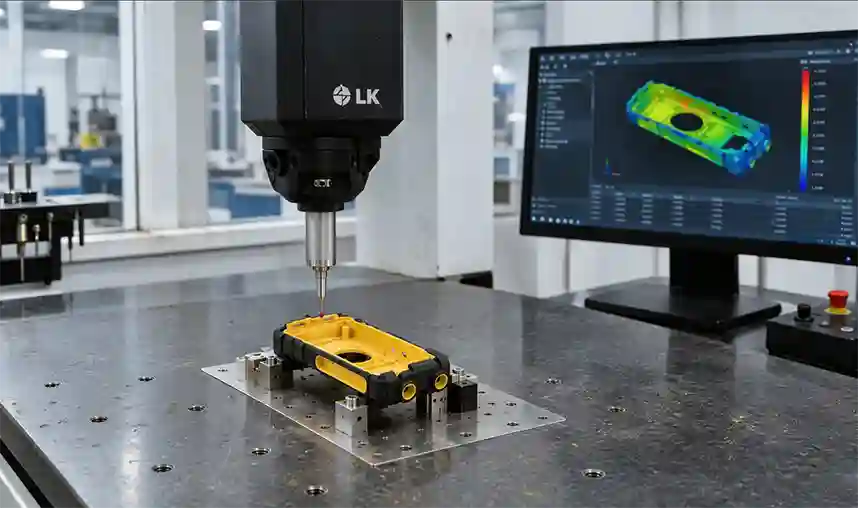
After the two-color product has been injection molded, we conduct visual and dimensional inspections, focusing on the boundary between the hard and soft rubber, the overmolding area, the sealing locations, the surface of the soft rubber, and the product’s assembly dimensions.
At the same time, we check for injection molding defects such as flash, short shots, shrinkage, trapped air, and burn marks, and verify critical dimensions against the product drawings to ensure product consistency during mass production.
XINXIU 2K Two-Color Injection Molding Services
XINXIU offers one-stop services ranging from 2K two-color mold design, mold manufacturing, and trial molding and debugging to mass injection molding production. For applications involving hard and soft plastics, two-color finishes, and complex overmolding structures, we design molds and optimize processes based on product structure, material properties, and molding requirements to ensure the stable integration of the two materials in a single product.