Vacuum Moulding
What is Vacuum Moulding?
Vacuum Moulding, also known as silicone Moulding or prototypeMoulding, is a manufacturing technique that uses a vacuum to draw liquid polyurethane (PU) resin into a silicone mould; it offers a cost-effective solution for the small-batch production of plastic parts.
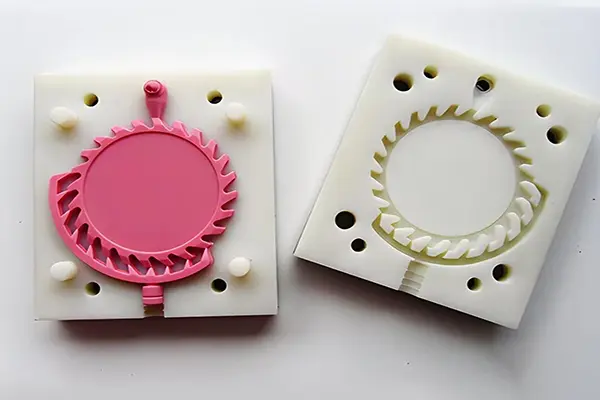
The process begins with the creation of a high-precision master model via CNC machining or SLA 3D printing. This master model is then immersed in liquid silicone; once the silicone has cured, the prototype is cut out, forming a reusable silicone mould. Under vacuum conditions, polyurethane resin is poured into the mould; the vacuum pressure removes air bubbles and ensures the material fully fills every detail. After curing, the part is removed, yielding a replica that is identical to the original master model. Each silicone mould can be reused approximately 20 times.
Advantages:
Fast Production — Short production cycles and quick turnaround
Cost-Effective — Lower tooling costs than traditional injection molding
Flexible Design — Suitable for large and complex shapes
Low Material Waste — Efficient use of sheet materials
Lightweight Products — Ideal for thin-wall and large-area parts
Suitable for Prototyping — Great for prototypes and low-volume production
Common Applications: Automotive parts, packaging, equipment covers, trays, housings, and interior components.
Vacuum Moulding Process
| Step 1:Master Mould Production | The master mould is produced based on your CAD design, typically via CNC machining or 3D printing. Once the master mould has been produced at a temperature of 40°C and passed inspection, the process moves on to the silicone mould production stage. |
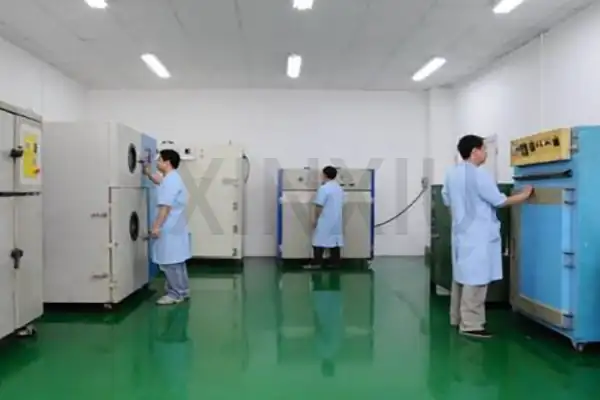
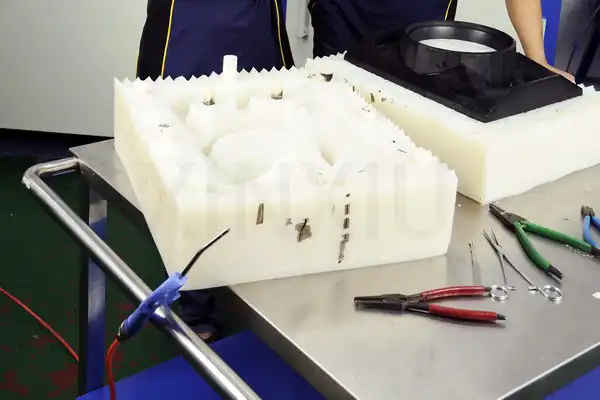
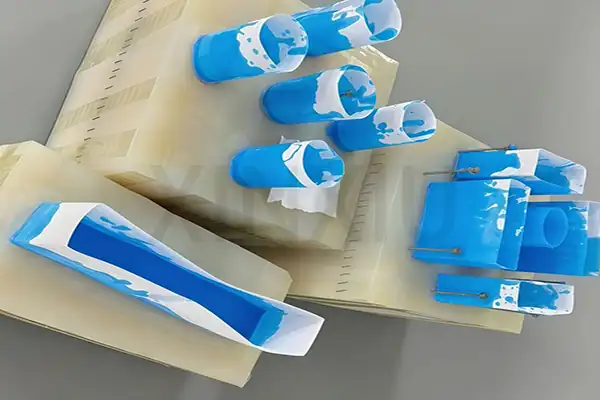
| Step 2: Mold making | The mould is made from liquid silicone. The casting box is filled with semi-liquid silicone and heated until fully cured, after which it is placed in an oven to cure for 16 hours. Additional layers of silicone are added and similarly subjected to heat curing. Once dry, the mould is cut open, the master mould is removed, and a reusable silicone mould cavity is obtained |
| Step 3: Part Moulding | Moulding resin is poured into the mould cavity to produce highly accurate prototype replicas. Overmoulding with two or more materials is supported. Each silicone mould typically yields approximately 20 parts. |
Vacuum Moulding Technical Specifications
| Delivery time | Up to 50 functional prototypes can be produced within 10 to 15 days |
| Accuracy | ±0.2% (for parts smaller than 100 mm, the lower limit is ±0.2 mm) |
| Minimum wall thickness | Recommended: 0.75 mm (to ensure proper filling); for best results, we recommend ≥1.5 mm |
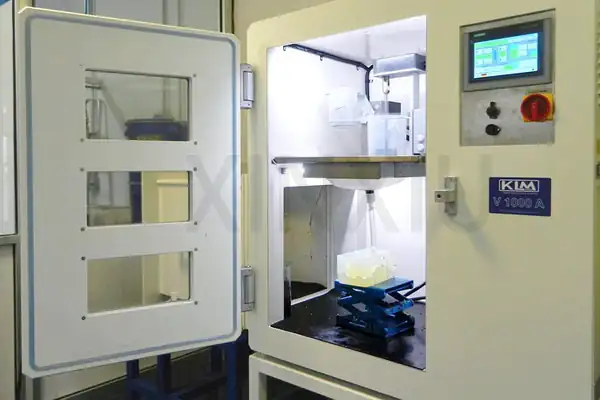
| Maximum part size | Mold dimensions are limited by the vacuum chamber: 1900 × 900 × 750 mm; maximum casting weight: 10 liters |
| Quantity | Each mold requires approximately 20–25 parts (depending on the mold’s complexity and the casting material) |
| Colors and Finishes | Supports post-processing techniques such as coloring of castables, transparent polishing, spray painting, electroplating, screen printing, and laser engraving |
All uploads are secure and confidential
Frequently Asked Questions on Vacuum Moulding
- What is the difference between vacuum Moulding and injection moulding?
- Vacuum Moulding uses silicone moulds and vacuum-assisted forming, eliminating the need for expensive steel moulds, and is suitable for small-batch production; injection moulding uses steel moulds and high-pressure injection, and is suitable for large-scale mass production.
- For what production volumes is vacuum Moulding suitable?
- It is best suited to small-batch production of 10–50 units, with each silicone mould capable of being reused approximately 20–25 times
- How soon can I obtain the samples?
- If a prototype is available, samples can be delivered within 48 hours; if no prototype is available, they will be ready within 72 hours.
- What materials can be used for vacuum Moulding?
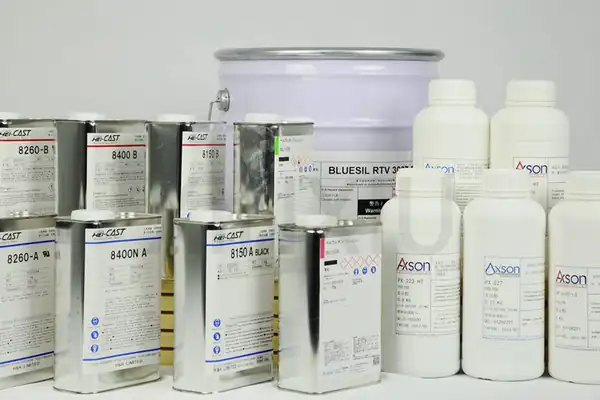
- Polyurethane (PU) resin is the primary material used. It can replicate the properties of engineering plastics such as ABS, PP, PC, PA and POM, and special materials such as transparent, flexible and heat-resistant varieties are also available.
- What are the advantages of vacuum Moulding compared to 3D printing?
- Vacuum-Mouldingt parts have material properties closer to those of engineering plastics, a higher surface finish, and lower production costs for small batches.
- How can I obtain a quote for vacuum Moulding?
- Please provide 3D drawings (in STP or IGS format), the quantity, material specifications and surface finish requirements, and we will provide you with a free quote within 12 hours.
Processing equipment