Rapid Prototyping Services
What is rapid prototyping
Rapid prototyping is a product development method that involves creating physical prototypes early in the development process to test and evaluate a product’s form, assembly, and functionality. By using prototypes, risks can be mitigated before committing to larger investments. Rapid prototyping plays a crucial role in product development projects and production preparation. To ensure the product’s functionality, the prototype should be made from materials as close as possible to those of the final product. The key principles of rapid prototyping are speed and cost-effectiveness.XINXIU is your trusted partner in the early stages of new product development. We help clients gain a deep understanding of the suitability of different materials for their products—must the materials withstand bending, sunlight exposure, or other mechanical stresses? Are there any other special requirements? Through meticulously crafted, high-quality prototypes, we verify each of these factors to ensure that the material selection precisely matches the product’s needs. From early development through to production, XINXIU provides comprehensive support, using the most suitable processes and materials to help you turn your ideas into reliable physical prototypes.
All uploads are secure and confidential
Our Prototyping Capabilities

Common materials used in rapid prototyping
Plastic Materials
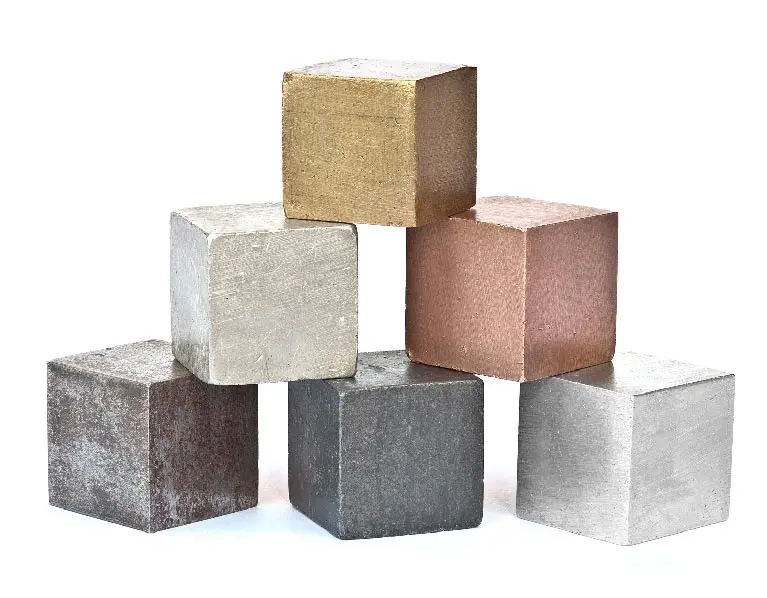
ABS, PLA, nylon, polyurethane, PC, PEEK, etc., suitable for structural validation, appearance modeling, and general functional testing.
Metal Materials
Aluminum alloy, stainless steel, titanium alloy, etc., suitable for high-strength functional testing and final performance evaluation.
Rubber Materials
Silicone, rubber composites, etc., used to simulate elastic components such as seals and shock absorbers.
Composite Materials
Glass-fiber-reinforced materials, carbon-fiber composites, etc., meeting requirements for lightweight construction and high strength.
Other Materials
High-temperature-resistant materials, transparent materials, engineering plastics, etc., suitable for testing in special environments or optical validation.
Material selection varies depending on manufacturing techniques and application requirements—whether for functional testing, visual presentation, or high-temperature validation, we can match you with the most suitable material.。
Rapid Prototyping
We offer a variety of rapid manufacturing processes, enabling us to create prototypes quickly and cost-effectively to meet the needs of different development stages.
3D printing
As the most widely used rapid prototyping process, 3D printing is a fast and cost-effective technology. In years, with the advancement of additive manufacturing, 3D printing has become!
fast and low-cost enough to produce parts from various metal and plastic materials, it particularly suitable for proof-of-concept testing of complex geometries and iterative development across multiple versions.
Rapid Vacuum Casting (Polyurethane Casting)
Rapid vacuum refers to placing the prototype in a vacuum environment to create a silicone mold. After the silicone cures, the mold is split into two halves to remove the master mold or3D printed part, creating replicas. This process is suitable for small-batch pilot production, allowing for the rapid replication of multiple prototypes at a controllable cost, with finishes and textures extremely similar to the final product.
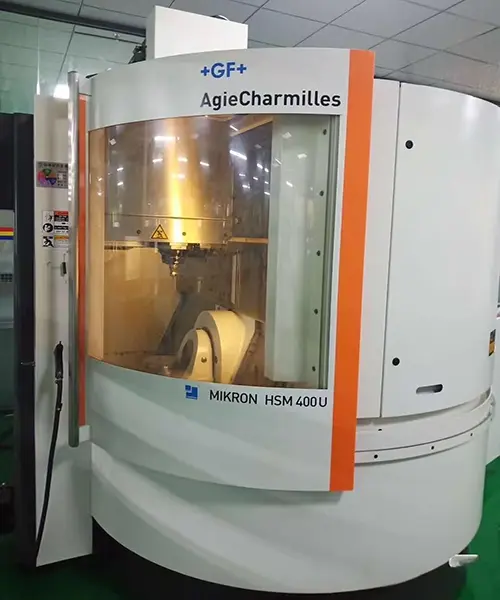
CNC Machining
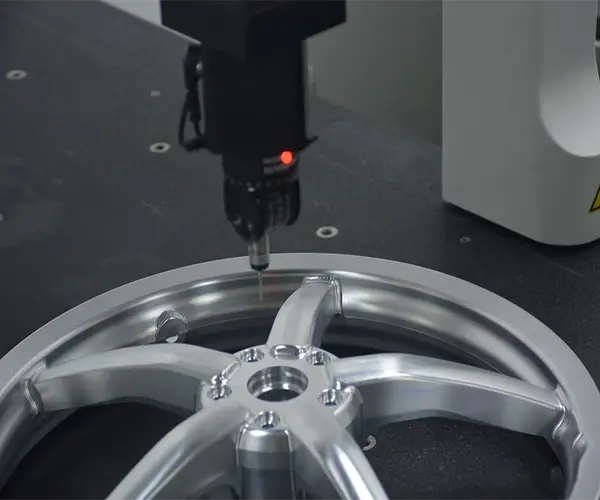
CNC machining is highly attractive for prototyping, as it allows for design modifications and enables quick and easy testing of multiple versions while maintaining high precision (up to ±0.01 mm). CNC-machined parts can be manufactured from a variety of metals and plastics, with delivery within 10 days, making them ideal for functional test parts that require high precision and the performance characteristics of actual materials.
Rapid Injection Molding
Rapid injection molding produces a series of durable, identical parts, making it suitable for testing scenarios requiring multiple spare parts. It is commonly used for high-fidelity product evaluation and can also serve as a transitional tooling solution for temporary production during product launches. Rapid injection molding offers high repeatability, ensuring consistent finished part geometry. Lead times for the first batch of parts are typically 1–2 weeks, making it ideal for small-batch trials of 50–500 units.
Rapid Die Casting
Rapid die casting is suitable for small-batch prototyping of metal materials such as aluminum and zinc alloys, allowing for rapid validation of metal part performance and structure without the need for formal molds. Similar to rapid injection molding, it can serve as a transitional tooling solution for temporary production. Lead times for the first batch of parts are typically 2–3 weeks, with high repeatability and consistent finished product quality.
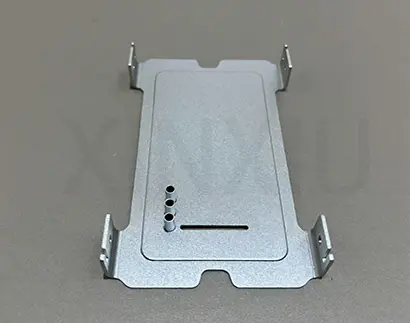
Sheet Metal Fabrication
Sheet metal fabrication is an excellent choice for flat components that require the use of final metal materials to evaluate prototypes. Sheet metal parts can be manufactured in less than a week and are cost-effective enough to typically produce two or more prototype designs simultaneously. This method is suitable for thin-walled structural components such as enclosures, brackets, and chassis.
Surface treatment of castings
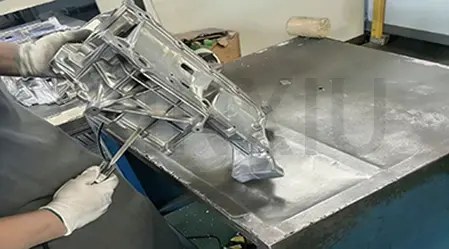
Grinding and polishing
Removes surface imperfections to achieve a mirror-like finish
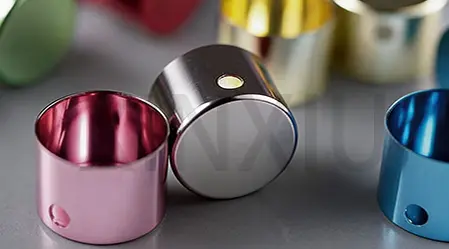
Anodising
Forms a dense oxide layer, significantly enhancing corrosion and wear resistance, and enabling a wide range of colour options
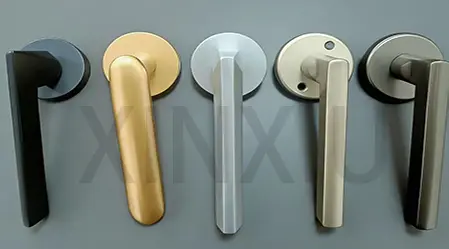
Spray and powder coating
Provides uniform coverage with strong adhesion; customisable colours, gloss levels and textural effects
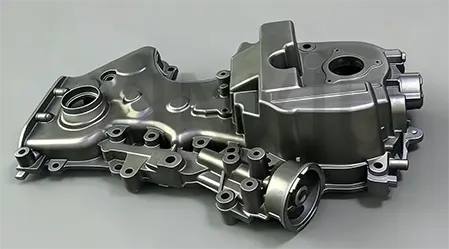
Passivation
Enhances corrosion resistance and provides an excellent substrate for coating
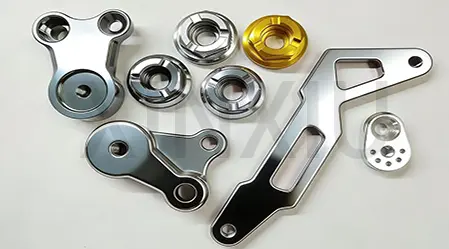
Electroplating
Deposits metal coatings such as zinc, nickel and chromium to improve corrosion resistance, wear resistance and electrical conductivity
XINXIU Automotive Prototyping
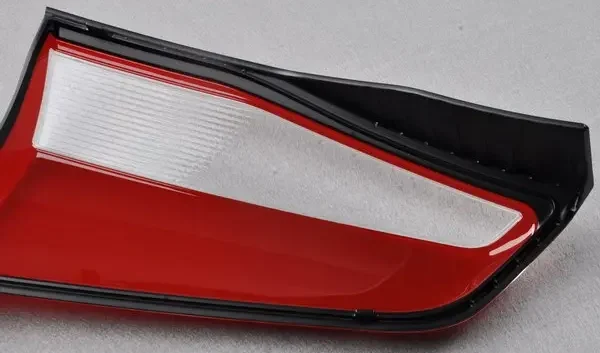
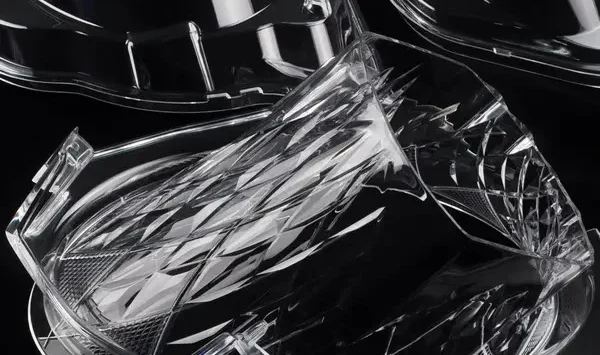
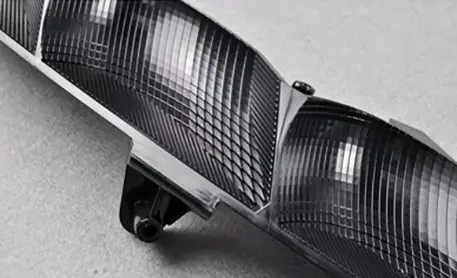
Our factory is capable of producing prototypes of automotive interior and exterior components as well as functional parts, including bumpers, headlights/taillights, door panels, grilles, side skirts, steering wheels, instrument panels, and consoles, helping customers validate design, assembly, and functionality early in the development process.
Medical Device Prototyping
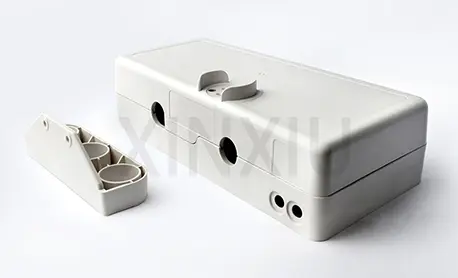
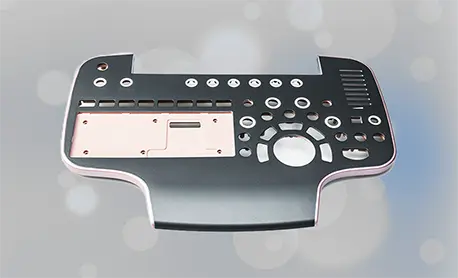
Our team can produce prototypes for a wide range of medical devices, from small, simple parts to large, complex projects, including handheld devices, medical monitors, ultrasound equipment, physical therapy devices, clinical analyzers, nursing equipment, surgical instruments, and electronic devices, all designed to meet the stringent requirements of the medical industry.
Aerospace Prototyping
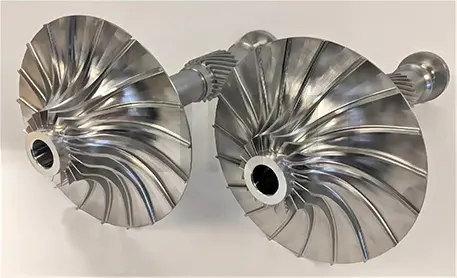
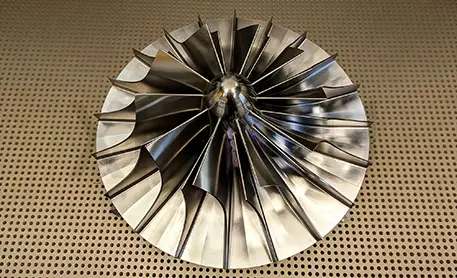
We offer reliable rapid prototyping services tailored to meet the needs of clients at various stages of the aerospace industry. From structural components to functional validation, our prototypes help clients thoroughly validate their designs before moving into mass production.

Consumer Product Prototyping
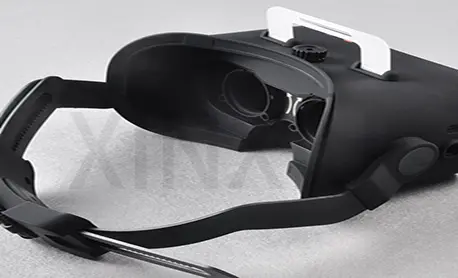
Our rapid prototyping services are widely used across the industrial equipment sector, covering commercial products, consumer electronics, instruments and meters, home appliances, digital products, and communications equipment. We help clients iterate quickly and accelerate time-to-market.