
Introduction
Casting is one of the oldest and most widely used manufacturing methods for producing metal components. Today, industries such as automotive, aerospace, medical devices, industrial equipment, consumer electronics, and robotics rely heavily on casting technologies to manufacture complex and durable parts.
However, selecting the right casting process is not always straightforward. Different methods offer varying advantages in cost, precision, production volume, material compatibility, and surface finish.
Sand Casting
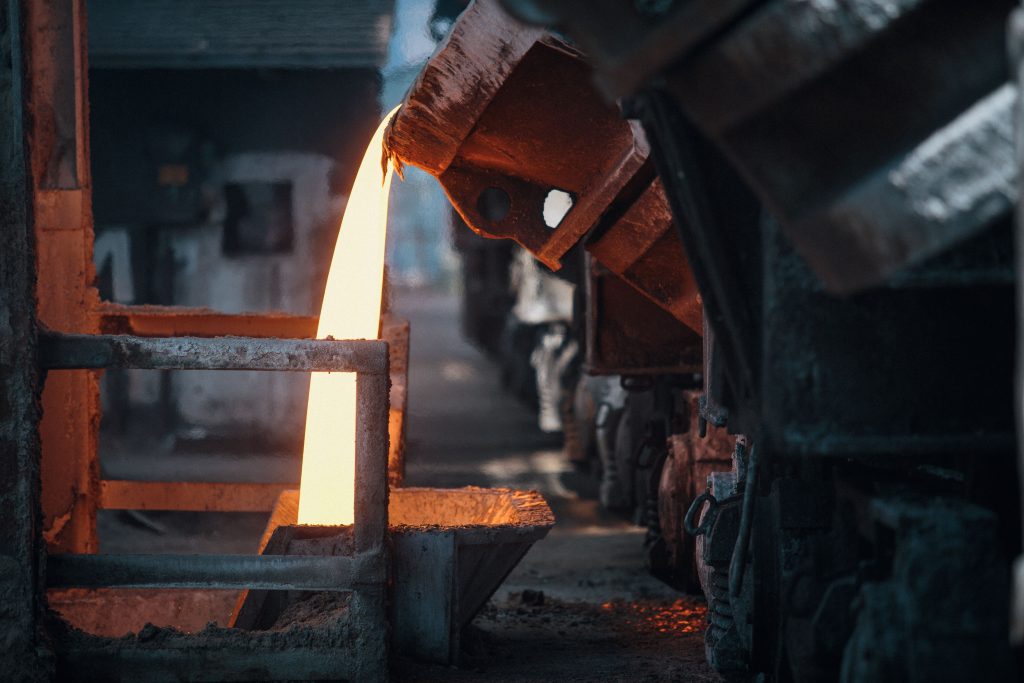
Sand casting is one of the most versatile and cost-effective casting methods. A mold cavity is formed using specially prepared sand, and molten metal is poured into the cavity to create the final component.
Advantages of Sand Casting
- Low tooling cost
- Suitable for large components
- Compatible with many metal alloys
- Ideal for prototypes and low-volume production
- Flexible design modifications
Limitations of Sand Casting
- Rougher surface finish
- Lower dimensional accuracy
- Additional machining often required
Typical Applications
- Pump housings
- Engine blocks
- Industrial machinery components
- Agricultural equipment
- Heavy equipment castings
Sand casting remains an excellent choice when production quantities are limited and component size is large.
Investment Casting (Precision Casting)
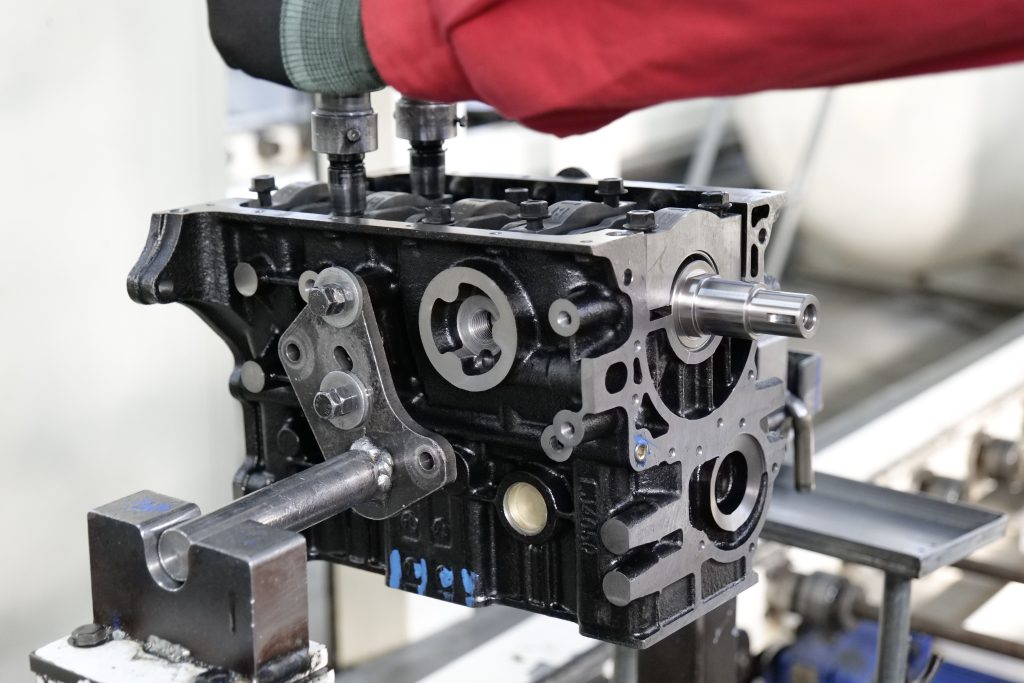
Investment casting, commonly known as precision casting or lost wax casting, produces highly detailed and dimensionally accurate components.
The process involves creating wax patterns, coating them with ceramic material, removing the wax, and pouring molten metal into the resulting cavity.
Advantages of Investment Casting
- Excellent dimensional accuracy
- Superior surface finish
- Complex geometry capability
- Reduced secondary machining
- Thin-wall manufacturing capability
Limitations of Investment Casting
- Higher tooling costs
- Longer production cycles
- Less economical for very large parts
Typical Applications
- Medical devices
- Aerospace components
- Valve bodies
- Turbine components
- Precision mechanical parts
When product complexity and dimensional accuracy are critical, investment casting is often the preferred solution.
Die Casting
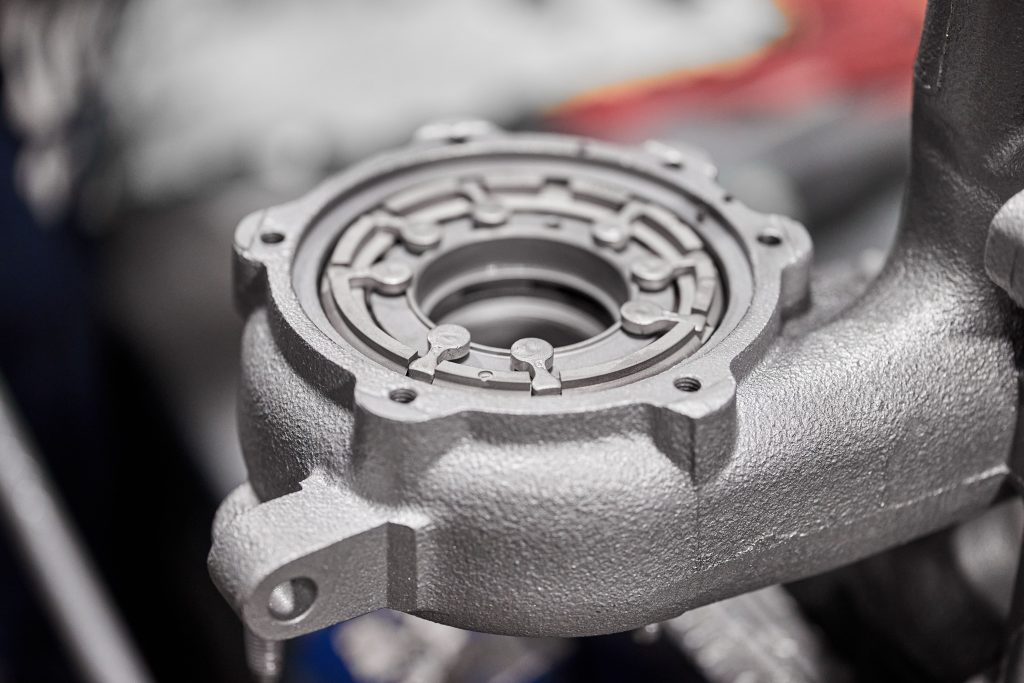
Die casting is a high-pressure manufacturing process where molten metal is injected into hardened steel molds.
This method is widely used for aluminum and zinc alloy components requiring high-volume production.
Advantages of Die Casting
- Excellent repeatability
- Fast production speed
- Tight dimensional tolerances
- Smooth surface finish
- High production efficiency
Limitations of Die Casting
- High mold investment
- Less economical for low-volume production
- Material limitations compared with other casting methods
Typical Applications
- Automotive components
- Consumer electronics housings
- UAV and drone components
- Telecommunications equipment
- Industrial automation parts
For medium-to-high volume manufacturing, die casting often delivers the best balance between cost and quality.
Gravity Casting
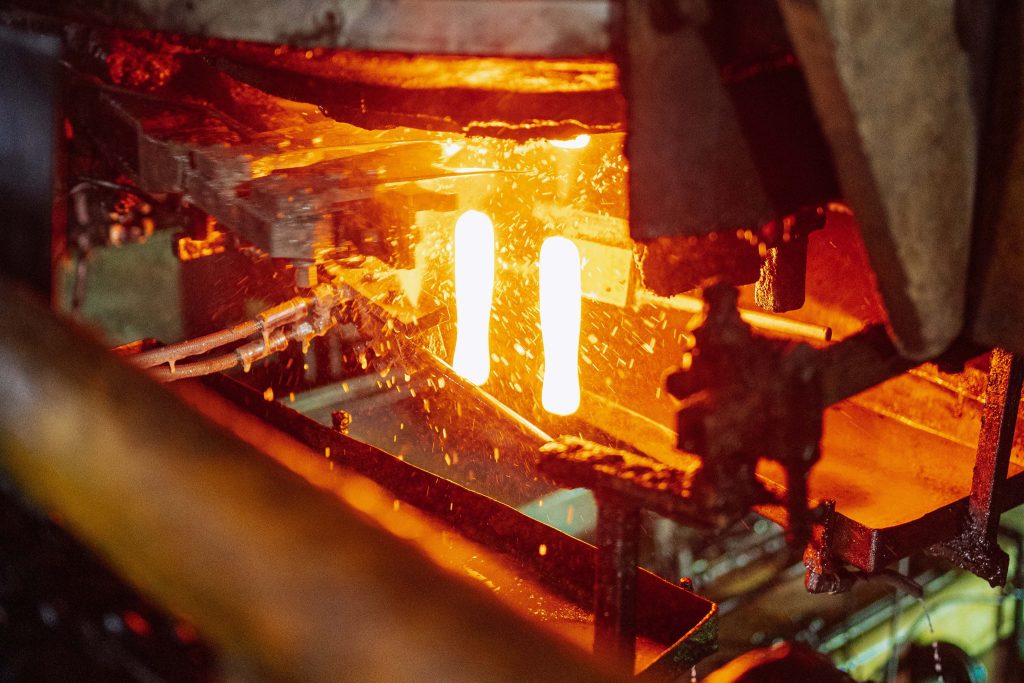
Gravity casting uses gravity rather than pressure to fill a permanent metal mold.
It bridges the gap between sand casting and die casting by offering improved quality without the high pressures used in die casting.
Advantages of Gravity Casting
- Better mechanical properties
- Lower porosity
- Improved surface finish
- Longer mold life
- Cost-effective for medium production runs
Limitations of Gravity Casting
- Slower production speed
- More limited complexity compared with die casting
Typical Applications
- Aluminum alloy housings
- Automotive wheels
- Industrial equipment parts
- Structural components
Gravity casting is especially popular for aluminum components requiring higher strength and reliability.
Comparing the Four Major Casting Processes
Cost Comparison
Sand Casting generally offers the lowest tooling investment.
Investment Casting requires moderate tooling and process costs.
Gravity Casting requires permanent molds but lower investment than die casting.
Die Casting typically requires the highest upfront tooling investment but delivers the lowest cost per unit in high-volume production.
Precision Comparison
Investment Casting provides the highest dimensional accuracy.
Die Casting follows closely with excellent repeatability.
Gravity Casting offers moderate precision.
Sand Casting generally provides the lowest dimensional accuracy.
Surface Finish Comparison
Investment Casting provides the smoothest finish.
Die Casting produces high-quality surfaces suitable for cosmetic applications.
Gravity Casting offers good surface quality.
Sand Casting usually requires additional finishing operations.
Production Volume Comparison
Sand Casting: Low volume
Investment Casting: Low to medium volume
Gravity Casting: Medium volume
Die Casting: Medium to high volume
How to Select the Right Casting Process
When evaluating casting methods, consider the following factors:
Part Size
Large components often favor sand casting.
Dimensional Accuracy
Precision components typically favor investment casting or die casting.
Production Volume
High-volume production often justifies die casting tooling costs.
Material Requirements
Different alloys may perform better in specific casting processes.
Budget Considerations
Tooling investment, machining costs, and production volume should all be evaluated together.
Why Partner with Xinxiu Precision Technology
At Xinxiu Precision Technology, we provide comprehensive manufacturing solutions that go beyond casting.
Our capabilities include:
- Aluminum Die Casting
- Zinc Die Casting
- Precision Investment Casting
- CNC Precision Machining
- Injection Molding
- Rapid Tooling
- Rapid Prototyping
- Sheet Metal Fabrication
- Custom Silicone Products
By combining casting expertise with secondary machining and finishing capabilities, we help customers reduce supply chain complexity and accelerate product development.
Conclusion
There is no universal casting process that fits every application. Sand Casting, Investment Casting, Die Casting, and Gravity Casting each offer unique advantages depending on product design, production volume, material selection, and budget requirements.
Understanding these differences allows manufacturers and product developers to select the most efficient and cost-effective solution.
At Xinxiu Precision Technology, our engineering team works closely with customers to identify the ideal manufacturing process and deliver reliable, high-quality components for industries worldwide.