
Aluminium and plastic extrusion
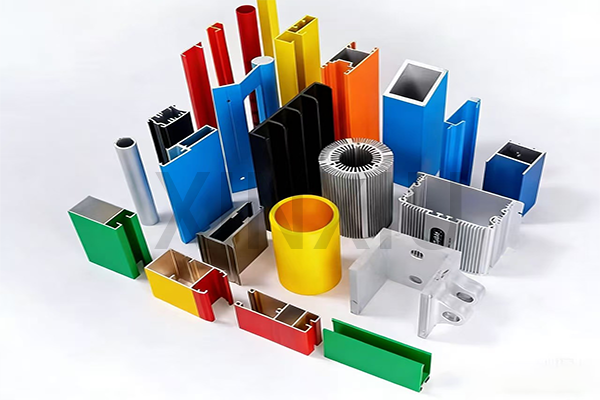
Custom extrusion services
Aluminium extrusion is a manufacturing process in which aluminium is heated to a specific temperature and then forced through a die under high pressure to form aluminium profiles with a specific cross-sectional shape. This process can produce a wide variety of complex aluminium profiles, which are widely used in sectors such as construction, transport, electronics and machinery.
The basic steps of aluminium extrusion include:
1.Heating the aluminium billet: First, the aluminium billet is heated to a specific temperature, typically between 400°C and 500°C, to make the material more malleable and easier to shape.
2.Extrusion: The heated aluminium billet is fed into an extruder, where it is forced through a specific die under high pressure to form the desired cross-sectional shape.
3.Cooling and cutting: The extruded aluminium profile is cooled to room temperature and cut to the required lengths and shapes as needed.
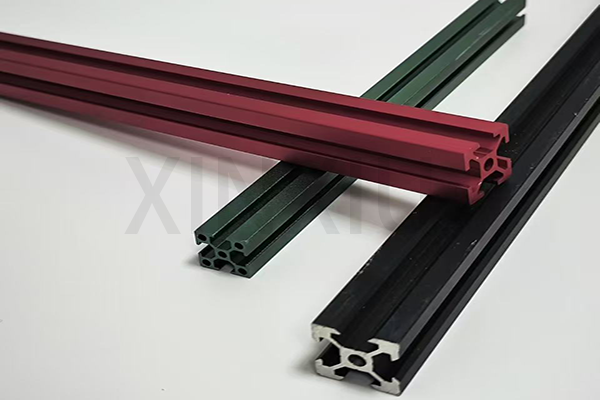
Plastic extrusion
Plastic extrusion is a process in which thermoplastic materials (such as PS, PA, PP and PE) are heated until molten and then continuously formed through a die into products such as pipes, sheets and profiles.
Aluminium extrusion
Aluminium extrusion is a process in which aluminium alloys are heated and then forced through a die under high pressure to form profiles with specific cross-sectional shapes. Commonly used alloys include 6061 and 6063, which are widely used in the construction, industrial and automotive sectors.
List of Extrudable Aluminum Alloys
| 6063 | Excellent extrusion properties and surface finish; suitable for architectural doors and windows, radiators, etc. |
| 6061 | High strength and good weldability; suitable for industrial frames, automotive components, structural parts, and more. |
| 6082 | High strength and good machinability; suitable for mechanical brackets, lifting equipment, bridge structures, and more. |
| 7075 | Ultra-high strength, aerospace grade; suitable for aircraft components, high-end sports equipment, and more. |
All uploads are secure and confidential
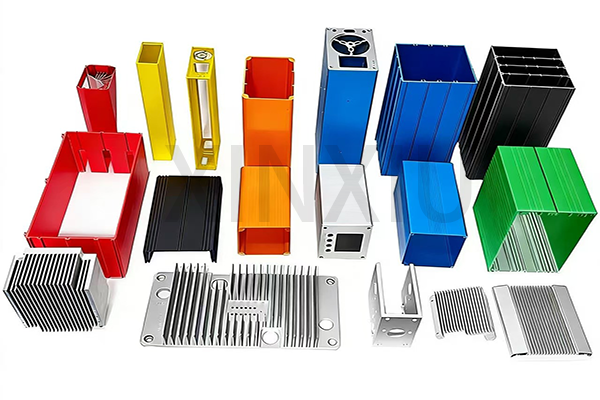
Common Surface Treatments for Aluminum Extrusions
✓ Anodizing: Creates a dense oxide layer on the aluminum surface to enhance wear and corrosion resistance, available in a variety of finishes such as silver-white, antique bronze, and champagne gold.
✓ Powder Coating: Involves electrostatic application of colored powder followed by high-temperature curing to form a uniform, dense protective layer with long-lasting, vibrant colors.
✓ Mechanical Polishing: Physically grinding the surface to achieve a mirror-like finish with a smooth texture, highlighting the metal’s natural luster.
✓ Chemical Polishing: Uses chemical agents to smooth and brighten the surface with uniform results, making it suitable for complex-shaped workpieces.
✓ Liquid Coating: Applies liquid paint to the surface, offering flexible color options and excellent decorative effects.
✓ Electroplating: Deposits layers of metals such as nickel or chromium onto the aluminum surface to enhance hardness and corrosion resistance, producing a brilliant metallic luster.
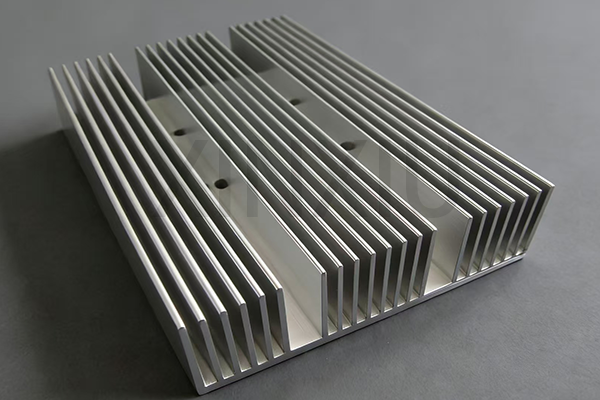
Why choose XINXIU for aluminium and plastic extrusion?
XINXIU offers aluminium and plastic extrusion services, transforming aluminium alloys and high-quality plastics into specific shapes that meet your specifications. If you require rapid prototyping or low-volume production of products with distinct cross-sectional features, extrusion is the ideal solution for you.
The process begins with selecting a design that is both practical and durable. XINXIU’s team of designers excels in this area; we consult with clients to determine the correct extrusion profile, assembly solutions and weight-reduction strategies, whilst ensuring the parts are fully functional.
Once the strategic design process is complete, we begin designing using either plastic or aluminium alloy, tailored to your requirements. Aesthetics are also a key focus for us, as our aim is to manufacture parts that not only perform well but also look outstanding.