
Die Casting Services
Manufacturer of aluminum alloy, magnesium alloy, and zinc alloy die casting
-
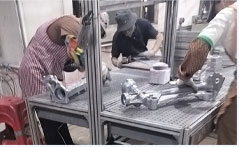
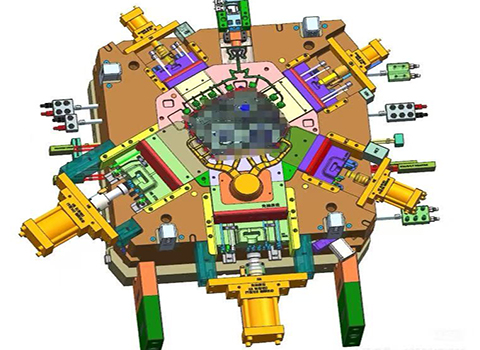
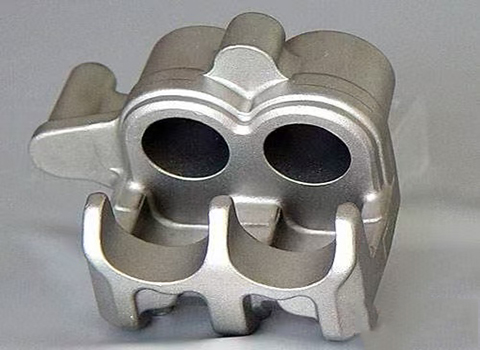
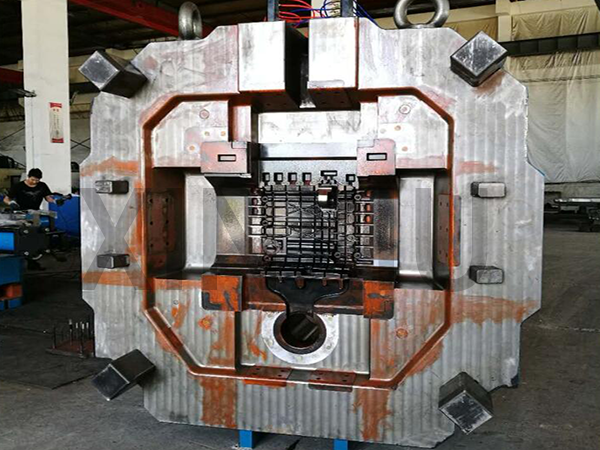
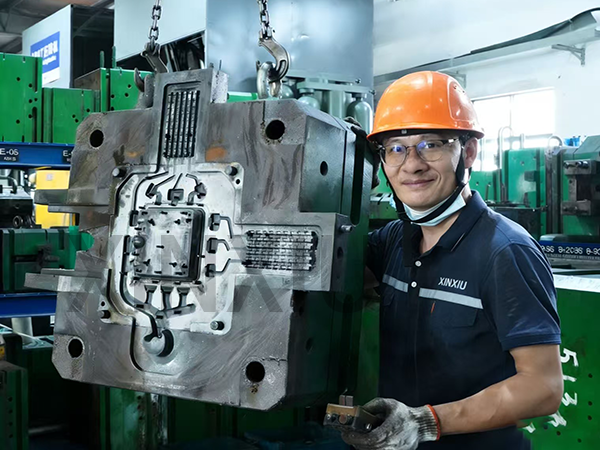
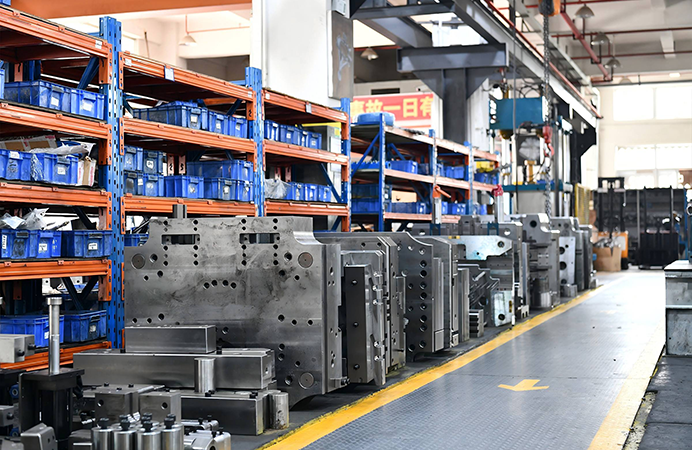
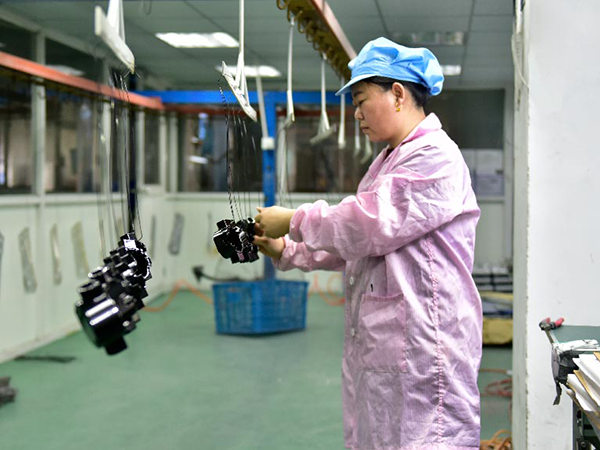
We utilize state-of-the-art die casting technology to provide comprehensive die casting solutions for our customers. Specializing in the production of aluminum alloy, magnesium alloy, and zinc alloy components, we also provide die casting mold design and manufacturing services. Our integrated processes encompass high-pressure die casting, vacuum die casting, low-pressure die casting, sand casting, machining, grinding, polishing, finishing, powder coating, and anodized surface treatments. Our service scope covers: mass-production die casting molds, complementary finishing molds, rapid prototyping molds, and production from small to large batches.
-
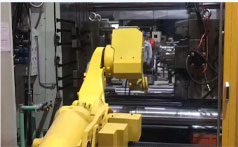
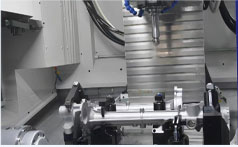
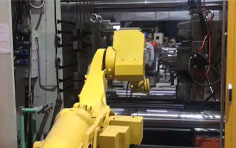
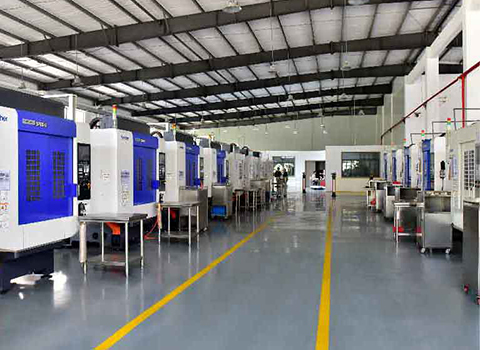
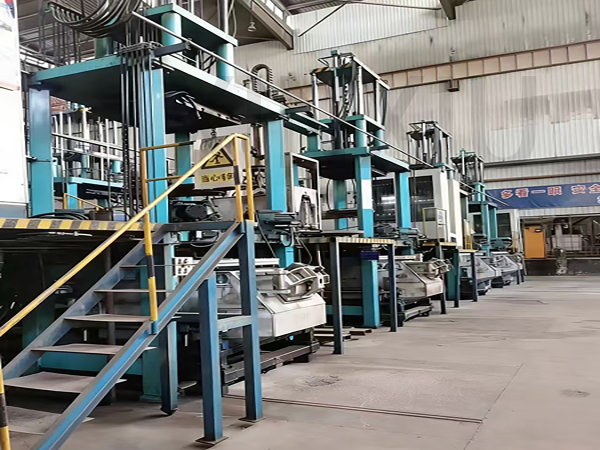
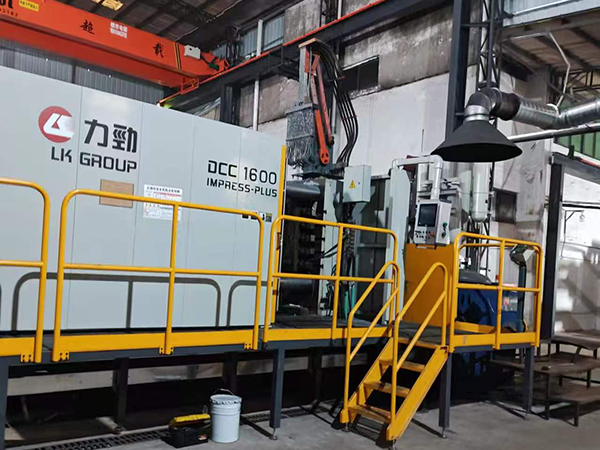
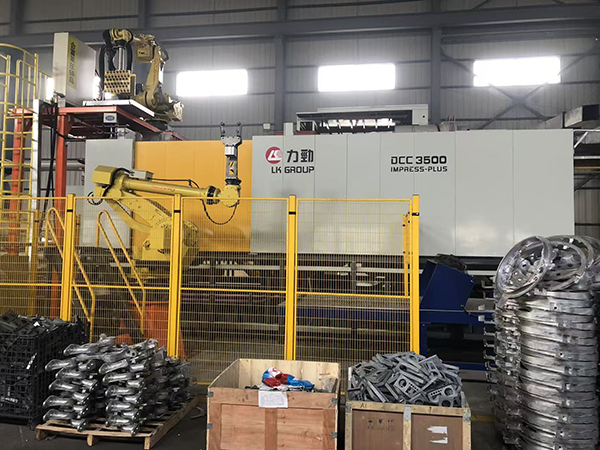
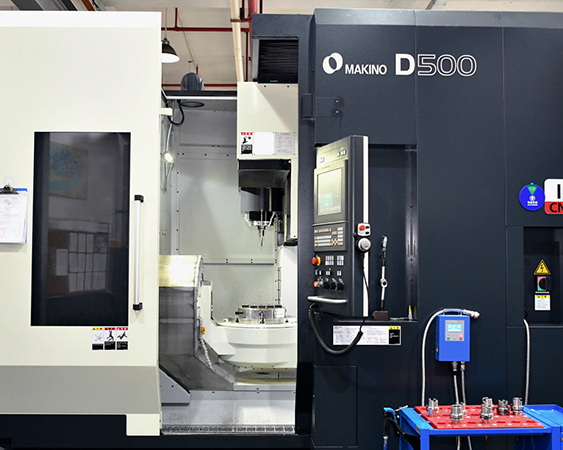
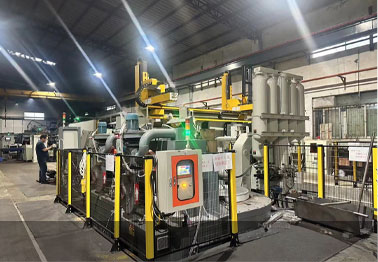
We operate 10+ die-casting machines (ranging from 100T to 4000T, equipped with robotic arms for fully automated operation) and approximately 70 CNC machines (3-axis, 4-axis, and 5-axis).
-
We have cumulatively provided over 2,000 sets of die-casting molds to clients across the automotive industry, new energy sector, 5G communications industry, heat sink manufacturers, and LED industry.
-
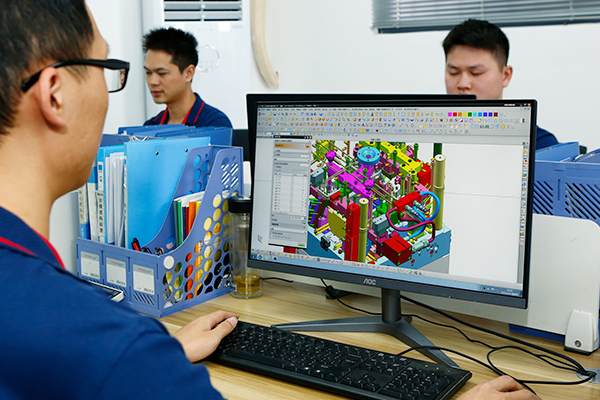
We provide complimentary technical support, product modifications, DFM analysis, and MF analysis to identify the optimal solutions that save you time and costs, transforming your designs into end-use parts.
-
Fast delivery: 12 business days for rapid tooling; up to 20 days for production tooling.
-
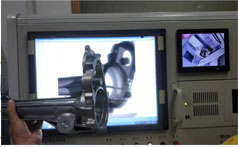
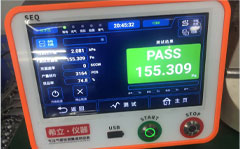
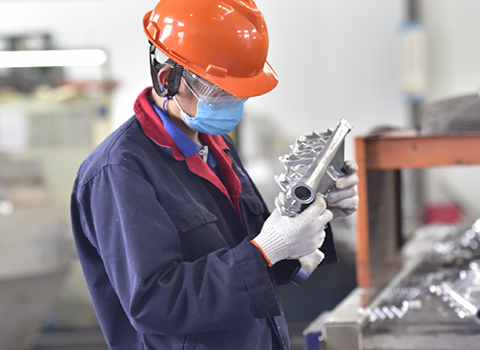
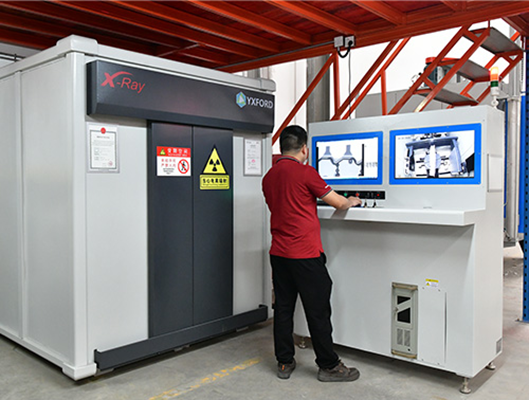
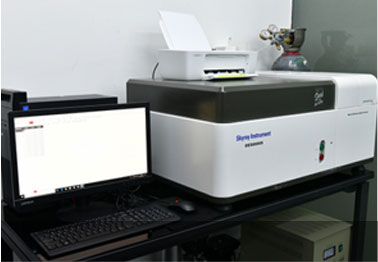
After rigorous QA certification, X-ray inspection, spectral material analysis, and leak detection, components are guaranteed to be flawless.
Die casting process
Die casting is a highly efficient and precise metal forming process that involves injecting molten aluminum, zinc, or magnesium alloys into precision mold cavities under high pressure and at high speed, where they rapidly solidify into shape. This process is particularly suitable for batch production runs exceeding 100 pieces, especially for manufacturing small, thin-walled, and structurally complex non-ferrous metal components.
The advantages of die casting over other metal casting methods include:
✓ Efficient mass production: Short cycle times, suitable for large-scale manufacturing
✓ High precision: Excellent dimensional consistency, reducing the need for subsequent machining
✓ Smooth surface: Ready for direct spraying or electroplating
✓ Thin-wall design: As thin as 0.5mm, meeting lightweight requirements
✓ Cost Optimization: High material utilization leads to lower overall costs.
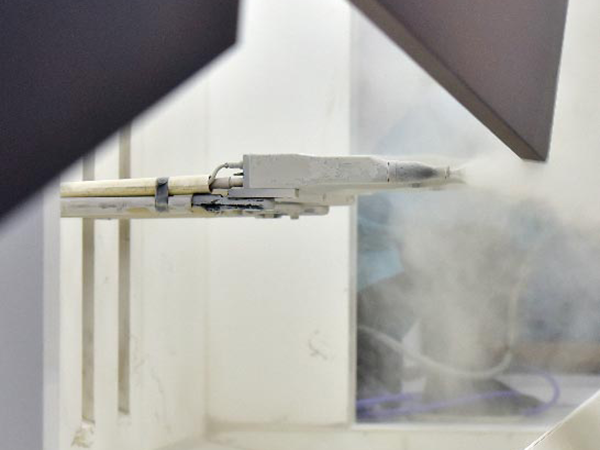
The operating principle of a die casting machine is as follows: First, a mold release agent is sprayed into the mold. Subsequently, the mold closes while the movable core (if equipped) simultaneously positions itself. Next, the molten metal is poured into the mold cavity. After pouring, the workpiece remains in the mold for a brief holding period during the back pressure phase. Finally, the mold opens, and the casting is removed.
Types of Die Casting Machines
Die Casting Machine Types
Hot Chamber Die Casting Machine
Hot chamber die casting (also known as gooseneck die casting) features a fast cycle time and is suitable for low-melting-point alloys such as zinc and magnesium (≤450°C). Raw materials are heated in the machine’s built-in furnace, and molten metal is injected directly into the mold at high pressure and speed through a gooseneck structure. Due to the lower process temperature, mold life is extended. Not suitable for aluminum alloys.
Cold-Chamber Die Casting Machine
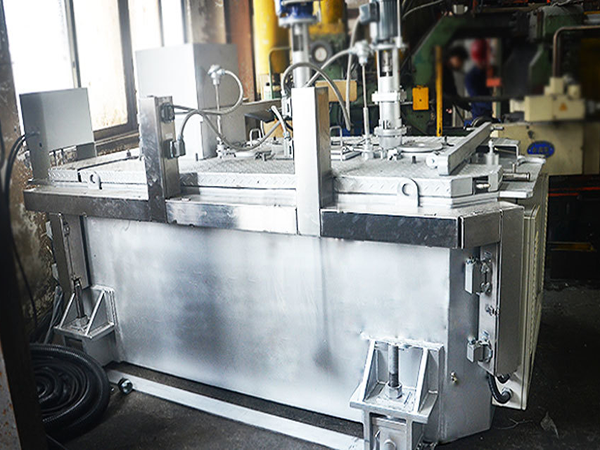
“Cold-chamber” refers to the furnace not being integrated within the die casting machine, not to the casting process occurring in a cold environment. Raw materials are melted in a separate furnace, then metered into the die casting machine’s feed chamber before being injected into the mold through a nozzle. Cycle times are slower, but it can withstand higher temperatures, making it Suitable for high-melting-point materials such as aluminum, copper, and high-melting-point magnesium alloys (approximately 600°C or higher).
Alloys we cast includes following:
- AADC 3
- ADC 6
- ADC 10
- ADC 12
- A380
- AZ91
- Zamak 3,4,5
- Other alloys
We offer additional services, such as:
✓ Machining
✓ Thread inserts
✓ Spectral Material Analysis
✓ X-ray inspection
✓Pressure tightness inspection
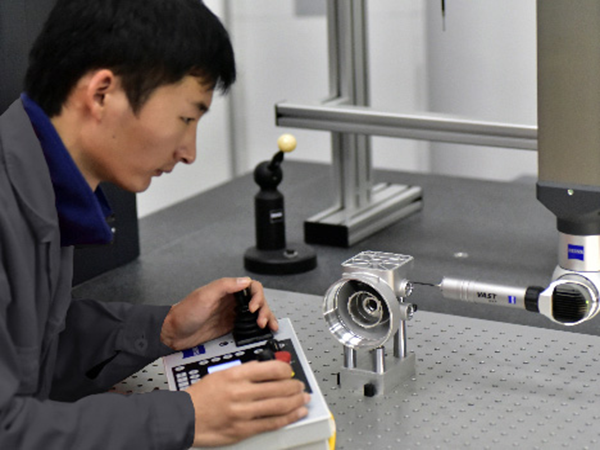
✓ CMM measuring
✓ Quality inspection reports

15+
Experience in the aluminum and magnesium alloy industry(year)

20+
Porosity-free die-casting technology

70+
CNC machining centers

5,500 m²
Dedicated die-casting workshop

100%
X-ray examination available
All uploaded content will be handled securely and confidentially.
Cost Optimization Analysis
Our technical team works closely with clients to conduct a comprehensive evaluation of the entire process—from material selection, structural optimization, and mold design to post-processing—to identify opportunities for cost reduction and achieve the most competitive pricing while ensu
Dedicated Team
Each project is assigned a cross-functional team comprising manufacturing engineers, technical project managers, quality engineers, mold engineers, and logistics supervisors. This team works in close coordination throughout the entire process to ensure efficient project execution.
Comprehensive Quality System
We strictly adhere to APQP, PPAP, scientific molding process control, full-process mold inspection, and automated production to ensure every step is controllable and traceable.
Die Casting Process
Product DFM Analysis
mold flow
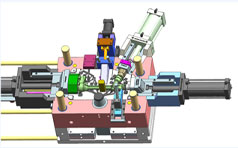
Mold Design
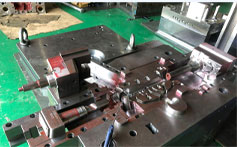
Mold assembling
Mold trial
Sample Approval
Spray painting
CNC machining
X-ray inspection
Production Polishing
Mass production
Test
Quality Control
Packaging
Transportationand After-Sales Service
Our Die Casting Capabilities
- Design Simulation and DFM Analysis
- We use CAD/CAM systems to perform high-precision mold flow simulations, proactively eliminating casting defects. We also incorporate DFM evaluations of wall thickness, draft angles, gating systems, and airtightness to ensure the product is suitable for die-casting production.
- Aluminum, magnesium, and zinc alloy molds, and Trim Die
- Our core team is equipped with a full range of high-precision mold machining equipment, boasting over a decade of design and manufacturing experience, and specializing in the development of complex die-casting tools.
- High-pressure die casting
- Gases are evacuated from the mold cavity, allowing the molten metal to solidify under vacuum conditions. This significantly reduces porosity, resulting in castings with high density that are suitable for heat treatment and welding. This process is suitable for automotive structural components, safety components, and parts with high airtightness requirements.
- Low-pressure die casting
- The metal is heated to a state where solid and liquid phases coexist and is injected into the mold at low speed, resulting in smooth filling and minimal shrinkage. The mechanical properties approach those of forged parts. This process is suitable for lightweight automotive structural components, high-strength and high-toughness parts, and 3C electronic enclosures.
- CNC precision machining after die casting
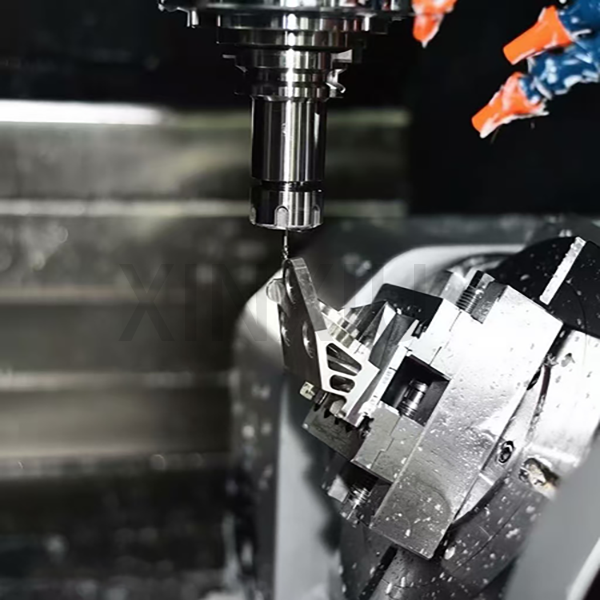
- We provide comprehensive CNC precision machining services for die-cast components (including milling, grinding, drilling, tapping, etc.), utilizing advanced machining centers such as the Makino F500 five-axis machine tool. Our machining accuracy ranges from 0.005 mm to 0.01 mm, meeting stringent tolerance requirements.
- Surface Treatment
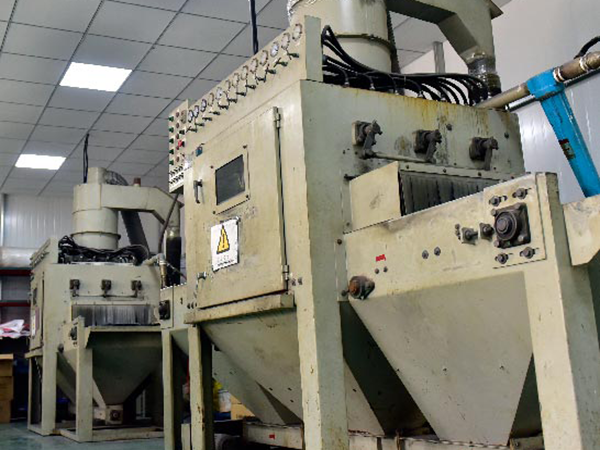
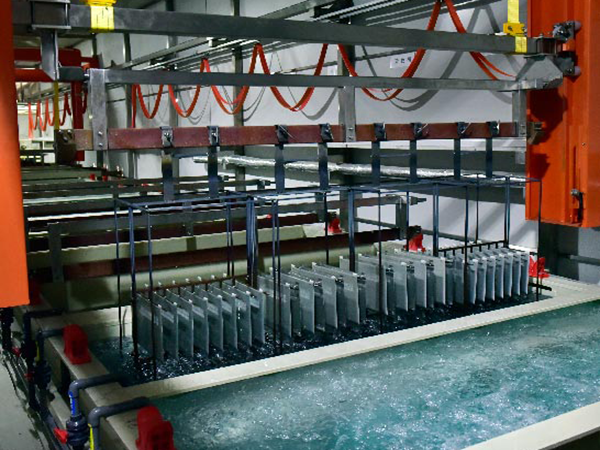
- We provide one-stop surface treatment solutions encompassing cleaning, anodizing, chrome plating, powder coating, wet coating, sandblasting, screen printing, laser etching, and other processes.
Low-pressure die casting
Process Principle: In low-pressure die casting, molten metal is gently forced from a sealed holding furnace into the mold via a feed tube using low-pressure gas (0.01–0.1 MPa), allowing the molten metal to fill the mold from the bottom up and solidify under pressure.
Our Advantages: XINXIU specializes in low-pressure die casting. By precisely controlling pressure and filling speed, we ensure dense casting structures, excellent mechanical properties, high yield rates, and dimensional stability. With a metal recovery rate of up to 95%, this process is particularly suitable for large, thin-walled, and complex castings such as automotive wheels, cylinder heads, and intake manifolds.
High-pressure die casting
Process Principle: High-pressure die casting is a process in which molten metal is injected at high speed into precision molds under extremely high pressure (10–200 MPa). The filling time is measured in milliseconds, allowing the metal to solidify and take shape rapidly. XINXIU is equipped with over 10 die casting machines of various tonnages and employs advanced automated production to achieve high-precision batch production of thin-walled (minimum 0.5 mm) and complex-structured parts.
Our Technical Advantages: High production efficiency (capable of producing multiple parts per minute), high surface finish, dimensional accuracy up to Grade 4–6, and minimal machining allowance. Suitable for high-volume production of thin-walled, complex-structured non-ferrous metal parts, widely used in the automotive, telecommunications, and electronics industries.
Semi-solid die casting
Process Principle: Semi-solid die casting heats the metal to a state where solid and liquid coexist (solid phase ratio of 30%–60%). After forming a semi-solid slurry, it is injected into the mold at low speed (filling speed of 1–8 m/s, only 1/10 that of conventional die casting), resulting in laminar flow that minimizes turbulent entrainment of air. Simultaneously, applying high specific pressure during the pressurization stage ensures excellent shrinkage compensation for the casting.
Our Advantages: XINXIU employs semi-solid die casting technology to precisely control the solid phase fraction and slurry temperature, ensuring dense, shrinkage-free castings with mechanical properties approaching those of forged parts. Mold life is increased by 60%, and cycle times are reduced by 25%–40%. This process is particularly suitable for demanding applications such as lightweight automotive structural components, parts requiring high strength and toughness, and 3C electronic enclosures.
Vacuum die casting
Process Principle: Vacuum die casting removes gases from the mold cavity prior to filling (achieving a vacuum level of over 90%), allowing the molten metal to solidify under near-vacuum conditions, thereby significantly reducing porosity and oxidation defects.
Our Advantages: XINXIU employs advanced vacuum die casting technology, combined with a two-stage vacuum extraction system, to ensure a high vacuum level in the mold cavity. Casting porosity can be reduced to below 1%, resulting in high density. The castings are suitable for heat treatment and welding, with significantly improved mechanical properties. They are ideal for automotive structural components, safety parts, and parts requiring high airtightness.
Die Casting DFM and Review Discussions
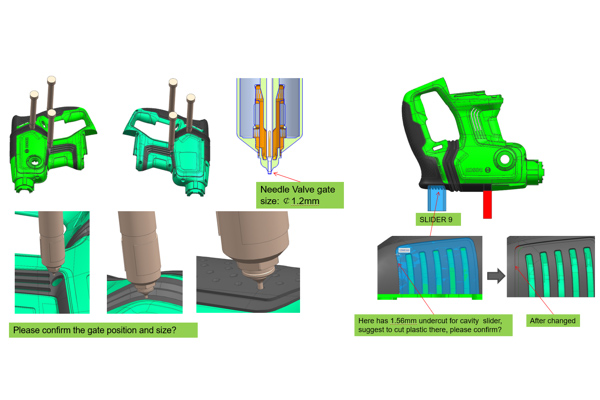
The XINXIU engineering team gets involved early in the product development process. Drawing on years of practical die casting experience, we provide recommendations for structural optimization and wall thickness design, assist with drawing revisions, and deliver detailed DFM analysis reports for your review.
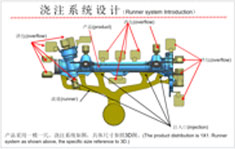
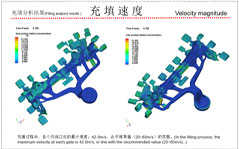
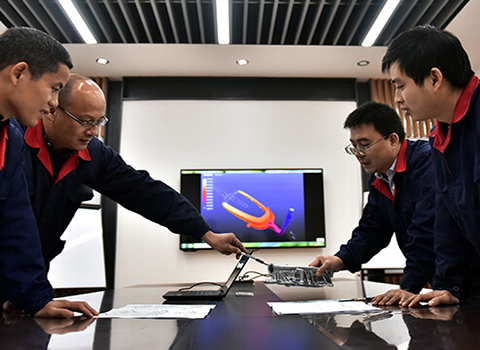
We conduct professional mold flow analysis and high-precision simulation of the die-casting process to analyze molten metal filling patterns, temperature distribution, pressure changes, and solidification processes. We predict potential defects such as entrapped air, cold shuts, shrinkage cavities, and hot spots, and optimize the design of runners, gates, and overflow channels (slag pockets) to ensure balanced filling and smooth venting.
After project initiation, we organize cross-departmental review meetings where engineering, tooling, production, and quality teams jointly conduct a comprehensive evaluation of product design, product tolerances, mold flow results, mold structure, manufacturing processes, post-processing, and packaging, and provide feedback to the client.
Key Elements of DFM Analysis
✓ Structural Optimization: Evaluate wall thickness distribution; recommend uniform wall thickness to prevent sink marks caused by abrupt changes in thickness. Propose thinning or rib reinforcement solutions for thick-walled areas, and assess stiffness and fill feasibility for thin-walled areas.
✓ Gating System: Determine the optimal gate location through mold flow analysis; design runners, gates, and overflow channels (sprue pockets) to ensure balanced filling and smooth venting.
✓ Parting Line Design: Select appropriate parting line locations and evaluate parting line tolerances to prevent excessive flash from affecting product quality.
✓ Machining Allowance: Recommend a minimum machining allowance of 0.25 mm (0.010 inches) to avoid penetrating the casting’s surface dense layer; the maximum machining allowance is determined based on the casting’s deformation.
✓ Draft Angles: Check draft angles on all surfaces; internal surfaces should have twice the draft angle of external surfaces to ensure smooth demolding and prevent scratches or mold jamming. Standard tolerances should be calculated using the formula; precision tolerances should not be used unless necessary.
✓ Filleting: Convert sharp corners to fillets to reduce metal flow turbulence, eliminate stress concentrations, and improve mold life and casting strength.
✓ Undercut Evaluation: Identify undercut features and recommend redesign to avoid side core pulling, or assess the feasibility of slider mechanisms to balance mold cost and production cycle.
✓ Fine Features: Identify fine features in the product (dimensions or tolerances less than 0.5 mm), evaluate machinability, and propose recommendations for relaxed tolerances or structural adjustments to avoid unnecessary mold costs and manufacturing difficulties.
✓ Pressure Sealing Requirements: Evaluate the pressure sealing requirements of the casting. Recommend uniform wall thickness, avoid sharp corners and edges, and optimize the gating system to reduce air entrapment. For products with high pressure sealing requirements, recommend vacuum die casting to ensure the casting meets pressure testing standards.


Die-casting mould manufacturing and rapid die-casting
Aluminium Alloy Moulds and Die Casting
Aluminium die-casting is a core process in automotive lightweighting and the manufacture of 5G communication equipment. Xinshou possesses comprehensive manufacturing capabilities ranging from small precision moulds to large, complex 30-tonne automotive moulds. We have extensive experience in automotive housings, brackets, new energy battery casings, lightweight structural components, as well as 5G heat dissipation enclosures and filter housings, and specialise in the design and analysis of automotive and 5G communication moulds. We are equipped with 10 die-casting machines ranging from 100 tonnes to 4,000 tonnes, all fitted with robotic arms and auxiliary automation equipment. Each machine is equipped with a process control system that monitors performance in real time and ensures production consistency. With our highly skilled manufacturing team and rigorous quality control processes, we provide our customers with high-quality aluminium alloy die-casting solutions.
Magnesium Alloy Moulds and Die Casting
Magnesium alloy is renowned as the lightest structural metal, but it is prone to oxidation and has high fluidity, placing extremely high demands on moulds. XINXIU has specialised in magnesium alloy die casting for over a decade, utilising heat-resistant mould steel and vacuum-assisted processes to effectively address the challenges of magnesium alloy die casting. The company possesses extensive experience in sectors such as steering wheel frames, instrument panel brackets, laptop casings, mobile phone mid-frames and power tool housings. With advanced equipment, professional manufacturing capabilities and a team of highly trained technical engineers, we guarantee the long service life and high stability of our magnesium alloy moulds and castings, helping our clients achieve high-quality, efficient manufacturing.
Post-Casting CNC Machining
After precision components are die-cast, further CNC machining is typically required to achieve higher precision and finer details. Based on the dimensional tolerances and assembly requirements specified in the product drawings, our machining team can accurately assess which features are best suited for die-casting and which require post-processing, thereby determining the optimal solution that balances cost, efficiency, and precision.
✓ Large-scale machining capacity
Approximately 70 CNC machines (3-axis, 4-axis, 5-axis) to meet large-scale production demands
✓ Strict tolerance control
We achieve high-precision machining on critical dimensions with excellent tolerance control, making us ideally suited for high-precision assemblies and components.
✓ Custom Fixtures and Tools
We design and manufacture fixtures and cutting tools in-house to ensure process stability and repeatability, providing a reliable foundation for mass production.
✓ Complex Geometric Machining
Our Makino precision CNC machines can machine deep-cavity, thin-walled, and multi-surface parts with high precision, easily handling the machining challenges of complex geometries.
Die-Casting Materials
We have access to high-quality material suppliers and offer a wide range of die-casting alloys, including aluminum, magnesium, and zinc alloys.
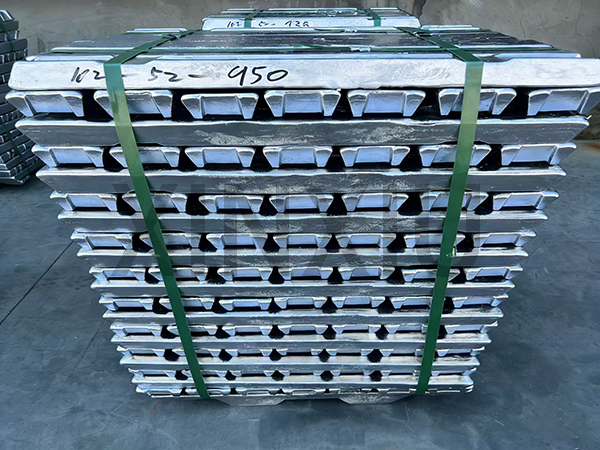
All materials come with complete certification documentation, including material certificates of origin and spectroscopic analysis reports (which provide comprehensive chemical composition testing for raw materials, molten metal, and finished castings), ensuring traceable origins and reliable performance. Leveraging our stable supply chain, we offer competitive material pricing to our customers, effectively reducing procurement costs.
Aluminum Alloy Die Casting
Material Properties: Low density (2.7 g/cm³), excellent thermal conductivity, high corrosion resistance, and good fluidity, making it suitable for forming complex thin-walled structures.
Common Grades: ADC12 (good fluidity, most widely used), A380 (high strength, corrosion-resistant), A356 (heat-treatable, excellent mechanical properties)
Typical Applications: Automotive engine components, transmission housings, communication base station enclosures, heat sinks, motor housings
Material Certification: We provide factory-issued material certificates and spectroscopic analysis reports to ensure precise composition and reliable performance.
Magnesium Alloy Die Casting
Material Properties: With a density of only 1.8 g/cm³, it is the lightest structural metal, offering high specific strength, excellent vibration damping, and strong electromagnetic shielding capabilities.
Common Grades: AZ91 (excellent overall performance), AM60 (high elongation, good toughness), AZ31 (good formability, suitable for thin-walled parts)
Typical Applications: Automotive steering wheel frames, instrument panel brackets, laptop casings, smartphone mid-frames, power tool housings
Material Certification: We provide factory-issued material quality certificates and spectral analysis reports to ensure clear material traceability and consistent performance.
Zinc Alloy Die Casting
Material Properties: Low melting point (380–420°C), good fluidity, excellent casting performance, high surface finish, and outstanding plating and coating results.
Common Grades: Zamak 3 (excellent overall performance), Zamak 5 (high strength, high hardness), Zamak 2 (Good wear resistance)
Typical Applications: Electronic connectors, locks, hardware fittings, automotive interior components, decorative parts
Material Certification: Provide material factory quality certificates and spectroscopic analysis reports to ensure compliance with specifications and reliable quality.
Die-casting equipment
Why Choose XINXIU for Die Casting
With over a decade of expertise in die casting, XINXIU does more than just supply parts—we provide end-to-end reliability from design to finished product. Whether it’s automotive structural components, telecommunications enclosures, or precision electronic parts, we make complex die casting projects simple and manageable.
✓ Rapid Response, Shortened Lead Times
Prototype molds delivered in 7 days, production molds in 2–5 weeks, and die-cast parts shipped as fast as 7 days. We don’t just prioritize speed; we ensure seamless coordination at every stage to get your products to market faster.
✓ Flexible Scaling for Orders of Any Size
From 10-piece prototype validation to 10,000-piece mass production, we handle it all with ease. With no minimum order quantity restrictions, you can freely transition between product development and large-scale manufacturing.
✓ End-to-End In-House Control, Transparent Quality
From mold design, material melting, and die-casting to CNC machining and surface treatment—everything is completed in-house. We do not outsource critical processes, ensuring quality control throughout the entire process and full traceability at every stage.
✓ Technical Expertise to Solve Challenges
We are proficient in high-pressure, low-pressure, vacuum, and semi-solid die-casting processes, and specialize in solving die-casting challenges such as thin-wall molding, porosity control, and dimensional stability. Leave complex structural parts to us—all you need to do is accept the qualified parts.
✓ Data-Driven, Verifiable Quality
The composition of every batch of material is verified through spectral analysis, and an X-ray inspection report is provided for each casting. We don’t just promise quality—we prove it with data.
✓ Engineer Support, Peace of Mind Throughout
From DFM analysis and mold flow simulation to trial mold validation, our senior engineers provide one-on-one support to help you avoid design flaws early on and keep your project on track.
Recently completed die-cast products

Download our die casting design guide
The right design approach can significantly enhance your manufacturing experience.
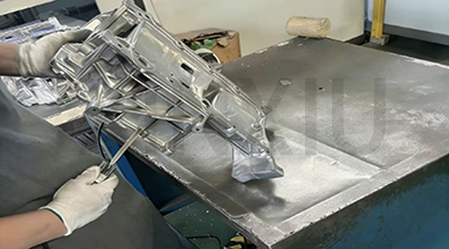
Surface treatment of die-cast components
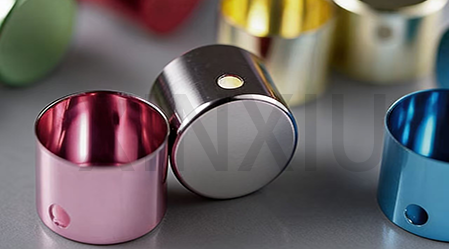
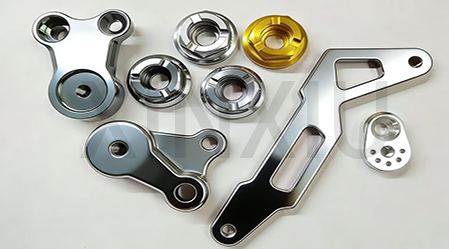
You can choose from XINXIU’s wide range of metal surface treatment services to enhance the performance of your die-cast components, such as improving their appearance, surface finish and corrosion resistance.
Grinding and polishing
Removes surface imperfections to achieve a mirror-like finish
Anodising
Forms a dense oxide layer, significantly enhancing corrosion and wear resistance, and enabling a wide range of colour options
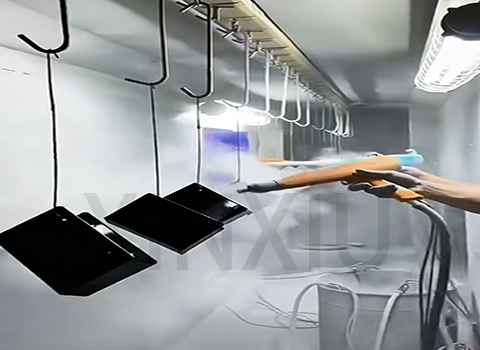
Spray and powder coating
Provides uniform coverage with strong adhesion; customisable colours, gloss levels and textural effects
Passivation
Enhances corrosion resistance and provides an excellent substrate for coating
Electroplating
Deposits metal coatings such as zinc, nickel and chromium to improve corrosion resistance, wear resistance and electrical conductivity
Applications in the Die Casting Industry
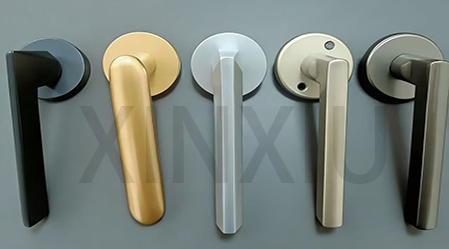
We specialize in the manufacture of high-quality die-cast parts made from aluminum, magnesium, and zinc alloys. With 15 years of industry experience, we have a deep understanding of product development requirements and manufacturing standards across various sectors, including automotive, telecommunications, electronics, and medical devices. Whether for small-batch prototype validation or large-scale mass production, we offer one-stop die-casting solutions covering everything from mold design to final product delivery.
Automotive Industry
Telecommunications
Electronics Industry
LED industry
robot
Agriculture
View our completed projects
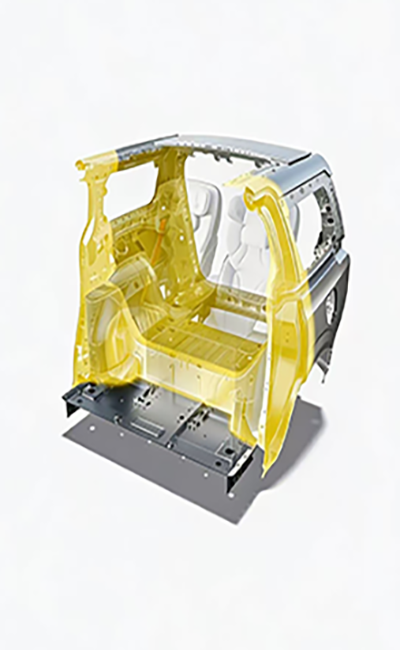
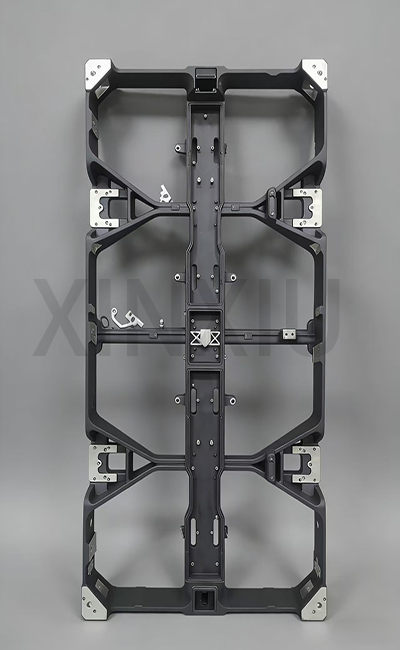
Die-casting services for new energy vehicle housings
XINXIU’s automotive casting products are designed to deliver performance, durability and efficiency across a wide range of projects.
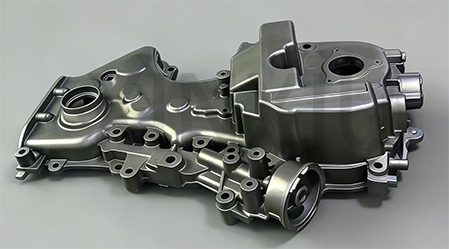
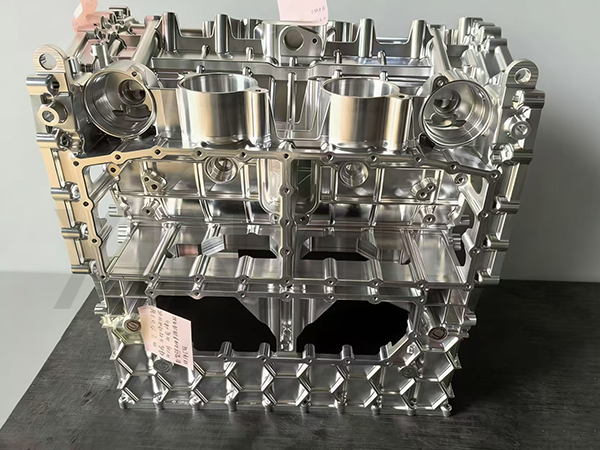
We specialise in the production and manufacture of aluminium alloy die-cast automotive components, offering optimum strength and enhancing engine power.
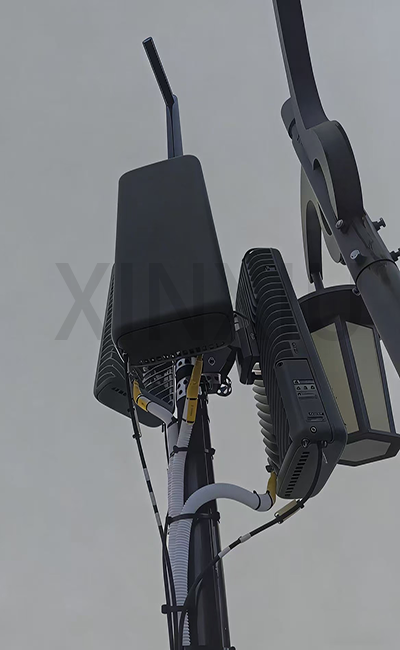
5G Communication Die-Casting Services
XINXIU utilises a precision die-casting process for high-thermal-conductivity aluminium alloy to manufacture 5G heat sinks and RF filter housings, achieving a perfect balance between efficient heat dissipation, electromagnetic shielding and structural strength, thereby ensuring the stable operation of communication equipment.
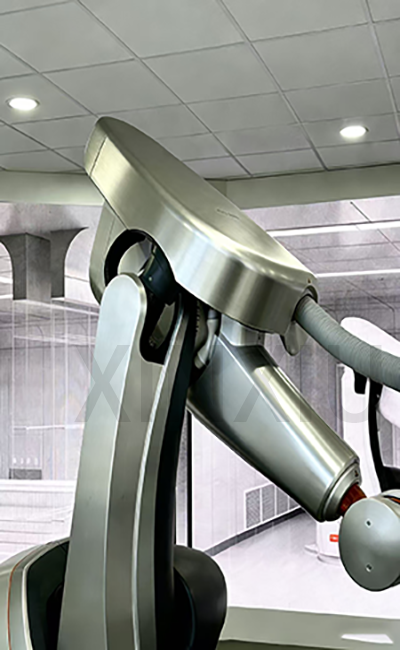
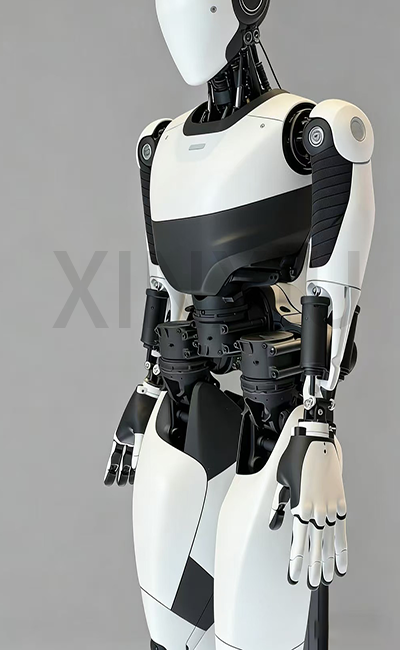
Die-casting services for robot
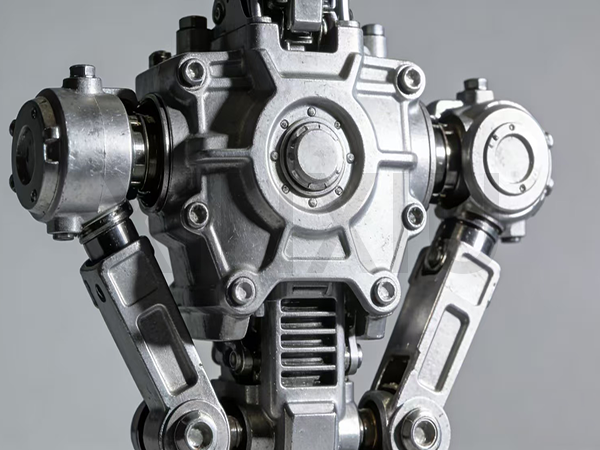
XINXIU die-cast robot components feature a lightweight design whilst maintaining high strength. By utilising lightweight aluminium alloys, these components can reduce weight by 10% to 30%, effectively enhancing the flexibility of robotic arms and reducing operational energy consumption. They are widely used in industrial robotic arms, collaborative robot joints, and automated equipment brackets.
Frequently Asked Questions (FAQ) on Die Casting
- How do you choose between aluminium alloy, magnesium alloy and zinc alloy?
- Aluminium alloys offer high strength and excellent thermal conductivity, making them suitable for automotive structural components and radiators. Magnesium alloys have the lowest density, making them ideal for lightweight components such as robot joints. Zinc alloys offer the best fluidity, making them suitable for precision small parts and decorative components.
- What is the difference between vacuum die-casting and conventional die-casting?
- Vacuum die-casting involves evacuating the air from the mould cavity prior to filling, which significantly reduces porosity defects; the castings can then undergo heat treatment and welding. Conventional die-casting offers short cycle times and low costs, making it suitable for standard components.
- What level of precision can die-castings achieve?
- Die-cast parts generally achieve a precision grade of CT6–CT8. A machining allowance of 0.3–0.5 mm should be provided for critical dimensions, with higher precision achieved through subsequent CNC machining.
- What are the lead times for samples and mass production?
- Samples are delivered within 7–15 days. Small batches take 7–10 days after the mould is completed. Mass production is delivered in batches over 15–30 days.
- How is airtightness ensured?
- For parts requiring airtightness, vacuum die-casting is employed, followed by 100% airtightness testing (helium leak testing, water leak testing or pressure drop testing), with a test report provided.
- Are die-cast parts subjected to X-ray inspection?
- Yes, critical safety components undergo 100% full inspection with accompanying image reports, clearly identifying internal porosity and shrinkage defects. Standard components are inspected according to a sampling plan.
- What are the maximum dimensions and weight of die-cast parts?
- We have a 4,000-tonne die-casting machine capable of producing aluminium alloy castings with maximum dimensions of approximately 800 mm × 1,500 mm and weighing up to 50 kg.
- What is the minimum order quantity?
- There is no minimum order quantity. We can handle everything from prototype verification (starting from 10 pieces) to high-volume production, offering flexibility to suit both R&D and mass production phases.
- How do I obtain a quotation?
- Please provide 3D drawings (in STP or IGS format), quantity, material specifications and surface treatment requirements. We will provide you with a free quotation and DFM analysis report within 24 hours.